Home > Driverless Cars Meet London Traffic – What Could Possibly Go Wrong?
|
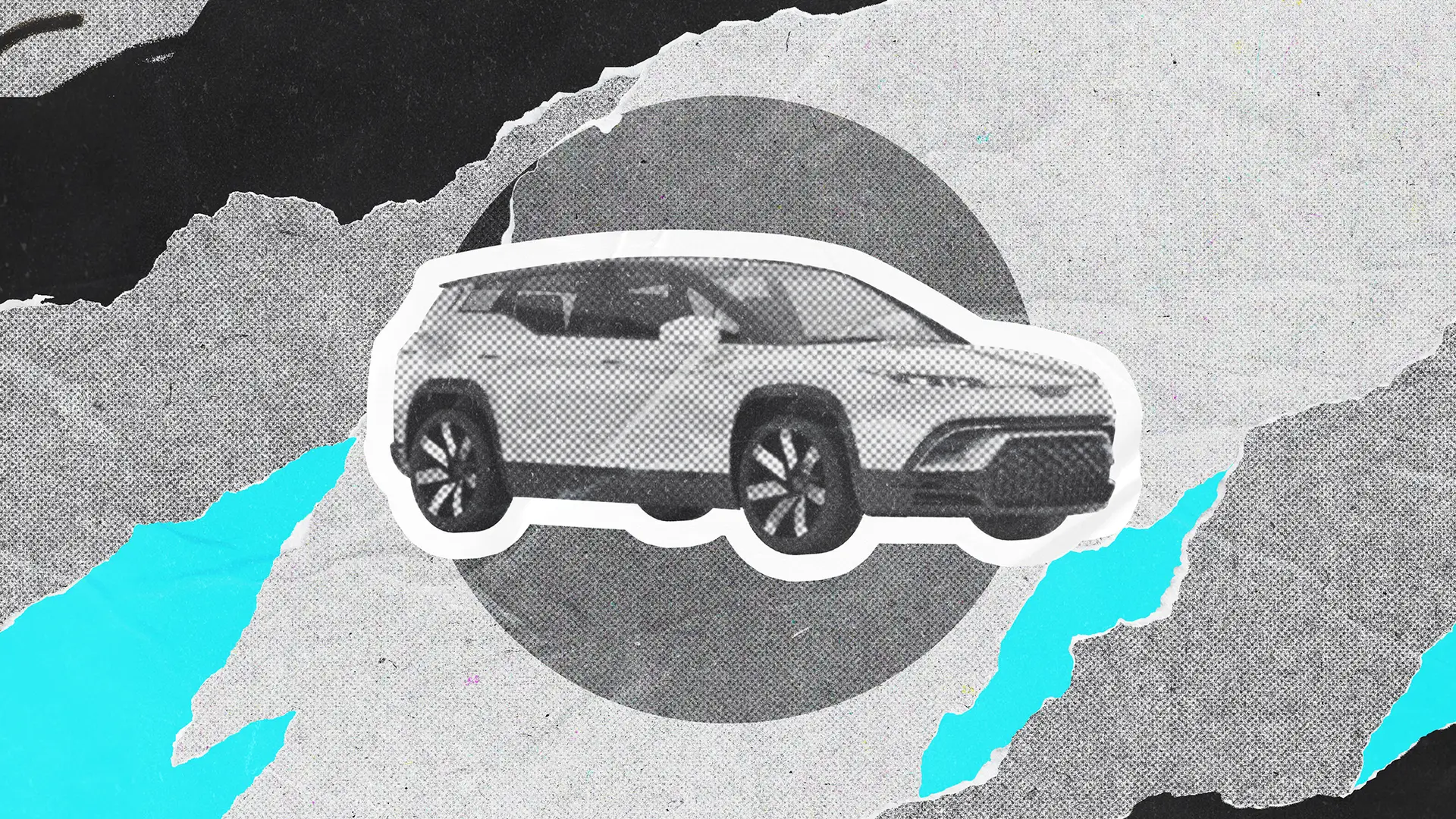

If you’ve seen one of Waymo’s driverless cars gliding around London recently, looking oddly calm amid the usual taxis, buses, cyclists and people stepping into the road while staring at their phones, you weren’t imagining it. Waymo is preparing for a commercial launch in the capital, which would make London its first big move outside the United States.
That matters for reasons that go well beyond the novelty of a car with no one in the driving seat. For investors, this is one of the first proper chances to see whether the robotaxi can survive contact with a real city – not a carefully managed test zone, but London, where the roads are narrow, the traffic is constant, and everyone seems to believe they personally have the right of way.
For years, Waymo sat inside Alphabet’s “Other Bets” division, which sounds like a drawer labelled “we’ll see how this goes”. A place where ambitious projects lived while the market waited to see whether any of them would become serious businesses. Waymo now looks much closer to that second category. It already runs paid, driverless journeys in several US cities, and it has reportedly raised fresh capital at a valuation of more than $100 billion.
That’s a hefty number for a business still proving itself. It tells you that investors are no longer treating robotaxis as something that still feels a bit sci-fi. They’re starting to see a genuine transport business in the making – if it can stretch beyond its current handful of cities.
London is a useful place to test this idea because it’s a deeply inconvenient city in almost every way that matters. It’s expensive, crowded, tightly regulated and full of transport habits that are hard to shift (looking at you, cyclists and couriers).
The economics are fairly straightforward too. A typical Uber-style service depends on drivers. Every trip needs one, and every trip comes with a cost. Simple.
Waymo takes the driver out of the picture – along with the chat about how busy it’s been tonight. But what you lose in wages, you pick up in everything else: very clever cars, loaded with sensors, software, and more computing power than you would expect for something taking you from A to B. Then there are depots, charging, maintenance… the list goes on.
With Uber, the cost shows up one journey at a time. With Waymo, it turns up at the beginning, in a rather large lump, and waits to be earned back.
That means Waymo needs two things to work. First, the cars need to be busy. Not occasionally busy, but constantly busy. Second, the fares need to be high enough to make the whole thing worthwhile, without making people wince when they see the price.
Crucially, those journeys are already being priced above a typical Uber or Lyft, and demand has held up. In some US cities, early signs suggest people are happy to pay a bit more – thanks to the novelty, the appeal of a quieter, more predictable ride, and the absence of the usual driver chit chat.
London, though, is a tougher crowd. Novelty wears off quickly here – usually disappearing the moment someone realises they could have taken the Tube for half the price, or a black cab (assuming you can find one when it’s chucking it down).
And this is where the local realities start to bite. Congestion charges, ultra-low emission zone costs, expensive land for depots, insurance, licensing – all of it adds up. This is not a cheap city to operate in, even before you add in the cost of the technology itself.
Still, there are obvious corners of London where this could work rather well. Airport runs are the obvious one – predictable, high value, and often taken by people who have already resigned themselves to paying too much for everything that day. Business travel sits in the same category. And then there are the steady commuter routes between places like the City and Canary Wharf, where people care far more about turning up on time than saving a couple of quid.
These are the journeys where reliability wins. If the car shows up when it says it will, doesn’t take a scenic detour via Whitechapel, and doesn’t mysteriously double in price halfway through, most people won’t argue too much about the fare.
That’s what makes London such a good test. It’s not an easy market, and it’s not a forgiving one either. If something works here, it’s probably got a fighting chance elsewhere. If it doesn’t, there’s nowhere to hide.
For Alphabet, none of this is going to change the numbers overnight. London isn’t suddenly going to transform the business. But it does start to answer a few more practical questions.
Can each car actually earn more in a city like London, where fares are higher and demand rarely takes a day off? Does removing the driver turn this into a genuinely profitable business, or just adifferent kind of cost problem dressed up nicely? And does a more predictable UK regulatory setup make life easier than the slightly stop-start approach that’s slowed things down in parts of the US?
If the rollout is smooth, the cars behave themselves, and people keep getting in them, it becomes much easier to imagine Waymo eventually standing on its own two feet. If it’s messy – accidents, public pushback, or regulators deciding they’ve seen quite enough – the mood will turn just as quickly. Markets are funny like that.
Then there’s the quieter angle that tends to get overlooked. Once you take the driver out of the equation, the question of who’s responsible shifts quite dramatically. If something goes wrong, there’s no individual behind the wheel to point the finger at. The responsibility moves up the chain – to the company running the system, and the technology behind it.
That creates a very different kind of risk. One bad driver having a bad day is one thing. A software issue affecting hundreds of vehicles at once is something else entirely. It’s the sort of scenario that keeps insurers interested – and slightly nervous at the same time. That also changes the shape of the insurance market – fewer individual drivers, but much larger risks sitting with the operator.
There’s also a wider cast here sitting in the background. Waymo isn’t doing this on its own. Behind it are the people building the vehicles, running the fleets, sorting out charging, and keeping the whole thing connected. If this works, it won’t just be Waymo that benefits. There’s a whole layer of businesses that do quite well out of it too.
And then there’s the bigger question sitting behind all of this. Does any of it justify a valuation north of $100 billion?
The optimistic view is fairly simple. If these vehicles can run reliably in busy cities, stay in constant use, and hold their pricing, the market is large enough to make the numbers work. The more cautious view is just as straightforward. The costs stay high, rollout takes longer than expected, and the economics never quite settle into something convincing.
It’s easy to make the idea work in theory, or in presentations where everything behaves perfectly. It’s much harder to make it work here, on streets full of delivery vans, cyclists, roadworks, and people who have decided the middle of the road is the best place to check Google Maps.
That’s why this matters. Not because driverless cars are new – they’re not. And not because the valuation is eye-watering – we’ve seen plenty of those.
It matters because this is where the model gets tested properly – and where the numbers either start to make sense, or don’t.
Stay updated with the latest insights and articles delivered to your inbox weekly.
Stay Informed with Our Updates
Subscribe to our newsletter for the latest insights and expert advice
on funding structures.